By Corcoran Premier Realty
A home that works well for adults doesn’t always automatically work well for children. We work with families in Windermere who are thinking ahead about how their home supports everyday routines, changing mobility, and long-term comfort as kids grow. Preparing a home for children isn’t about fear or restriction—it’s about thoughtful design, smart adjustments, and creating an environment that supports daily life with confidence. When these considerations are addressed early, a home becomes easier to live in for everyone.
Key Takeaways
-
Thoughtful preparation supports everyday family routines
-
Home layout and design play a major role as children grow
-
Small adjustments often have the biggest impact
Start With the Home’s Layout
Understanding how space affects daily movement
The way a home is laid out influences how children move through it. Open sightlines and intuitive flow make it easier to manage daily activity.
-
Clear pathways between main living areas
-
Minimal sharp transitions between rooms
-
Open layouts that allow visibility across spaces
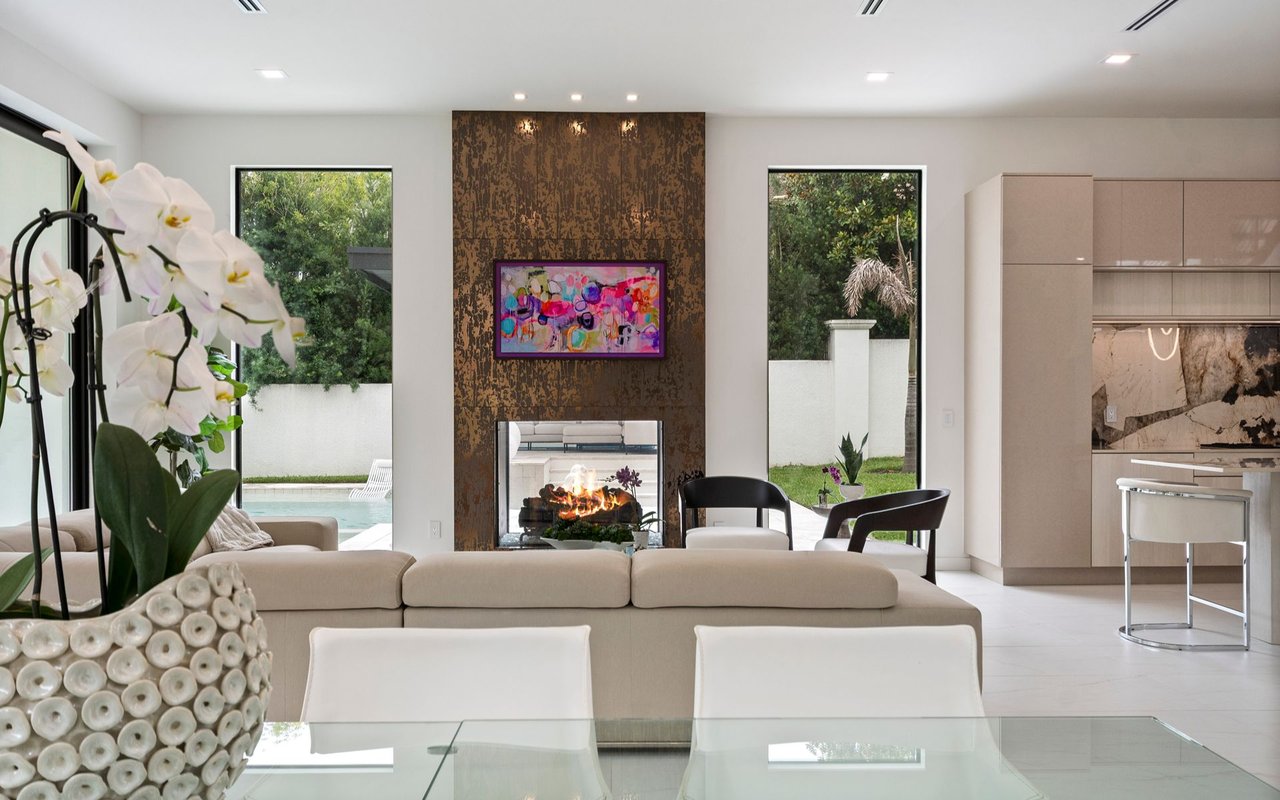
In Windermere homes, where open-concept living is common, layout choices often support natural supervision and smoother movement throughout the day.
Secure High-Traffic Areas
Focusing on where activity naturally concentrates
Children tend to spend the most time in the same areas adults do. Paying attention to these spaces first creates a strong foundation.
-
Living rooms with flexible furniture placement
-
Kitchens with clear zones for movement
-
Hallways and stair access that stay uncluttered
Addressing these areas early supports child safety at home by reducing everyday obstacles and improving overall flow.
Think Carefully About Furniture Placement
How arrangement influences comfort
Furniture choices and placement matter more once children are part of the household.
-
Anchor tall furniture to walls
-
Avoid sharp edges in high-use areas
-
Choose pieces that allow easy movement
Rooms that feel spacious and balanced are easier to manage day to day. Thoughtful placement supports comfort without sacrificing style.
Evaluate Stairways and Elevation Changes
Managing transitions within the home
Multi-level homes require extra attention to how children interact with stairs and level changes.
-
Keep stairways clear and well-lit
-
Use consistent railing designs
-
Avoid loose rugs or mats near steps
Many Windermere homes feature split levels or second stories, making these transitions an important consideration in overall home planning.
Windows and Doors Deserve Attention
Supporting airflow and accessibility thoughtfully
Windows and doors play a role in daily routines, ventilation, and access to outdoor spaces.
-
Ensure windows open and close smoothly
-
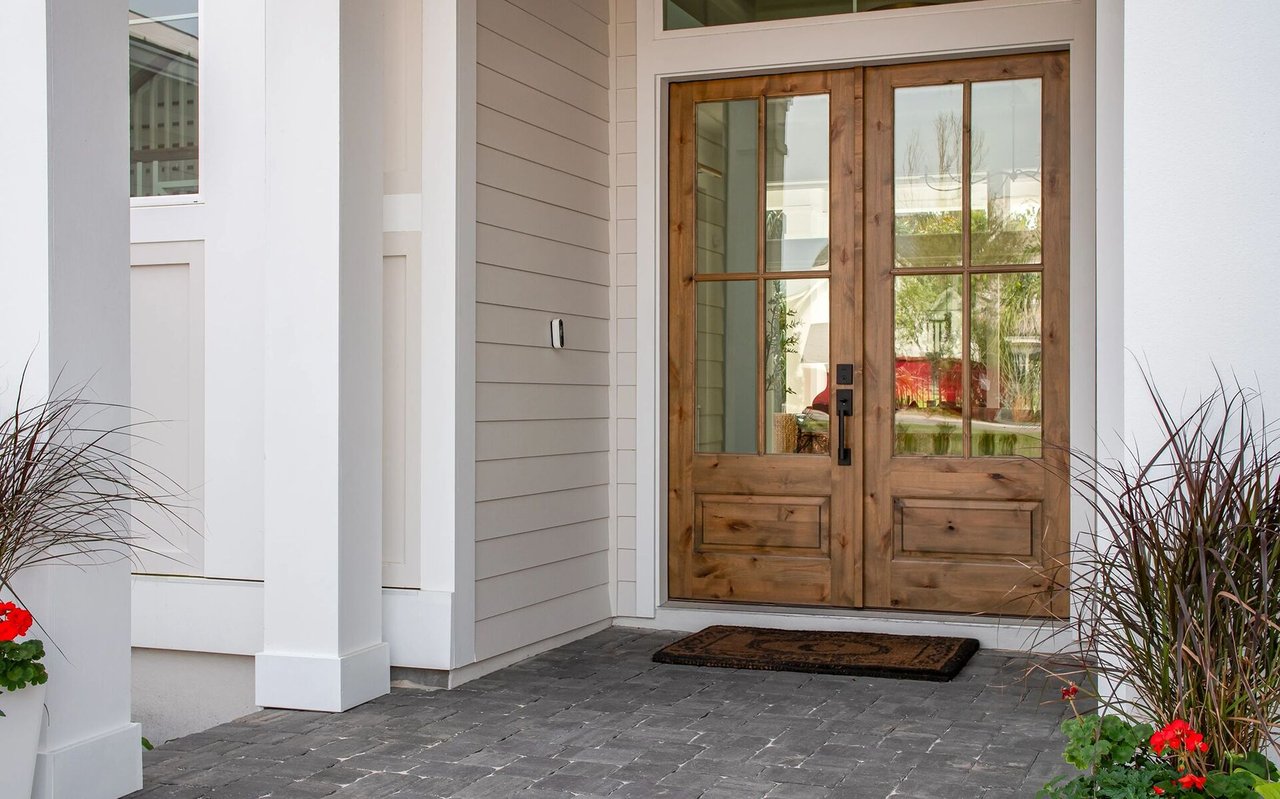
Keep door hardware easy to operate but secure
-
Maintain clear thresholds without tripping hazards
These elements support a home that feels functional and intuitive rather than restrictive.
Kitchen and Utility Areas
Managing spaces with multiple functions
Kitchens are often the busiest rooms in the home. Clear organization supports smoother daily use.
-
Store frequently used items within easy reach
-
Keep work zones clearly defined
-
Maintain clear countertops to reduce clutter
When kitchens feel organized and predictable, everyday routines become easier to manage.
Bathrooms and Bedrooms
Creating consistency in private spaces
Private rooms matter just as much as shared areas.
-
Use non-slip flooring where appropriate
-
Keep storage organized and accessible
-
Choose lighting that supports visibility
Consistency across rooms helps children adapt more easily as they move throughout the home.
Outdoor Areas and Transitions
Extending preparation beyond the interior
Many Windermere homes include outdoor living spaces that function as extensions of the home.
-
Maintain clear walkways and patios
-
Keep transitions between indoors and outdoors smooth
-
Design outdoor areas with visibility in mind
Outdoor spaces that feel intentional and organized support everyday use without added complexity.
Storage and Organization
Reducing daily friction
A well-organized home is easier to manage for families.
-
Use closed storage for small items
-
Keep frequently used items accessible
-
Rotate storage as needs change
Good organization supports child safety at home by minimizing clutter and improving predictability throughout the space.
Lighting Makes a Difference
Supporting comfort and visibility
Lighting influences how a home feels at all times of day.
-
Use consistent lighting across main areas
-
Add night lighting in hallways or stairways
-
Avoid overly dim or uneven light sources
Balanced lighting helps children navigate spaces comfortably while supporting a calm home environment.
Adapt as Children Grow
Planning for change over time
Children grow quickly, and homes should adapt with them.
-
Reevaluate spaces as routines change
-
Adjust furniture and layouts as mobility increases
-
Plan for flexibility rather than fixed solutions
Homes that evolve with family needs tend to feel more supportive long term.
Think in Terms of Daily Use
Practical decisions matter most
The most effective adjustments are often the simplest.
-
Notice where congestion happens
-
Identify areas that cause daily frustration
-
Address patterns rather than isolated moments
This mindset keeps preparation grounded in real life rather than overcorrection.
Long-Term Home Comfort
Creating a space that works for everyone
Preparing a home for children isn’t a one-time task—it’s an ongoing process of observation and adjustment.
-
Focus on comfort and function
-
Make changes gradually as needs shift
-
Keep the home feeling welcoming rather than restrictive
When families think intentionally about child safety at home, the result is a space that feels supportive, adaptable, and easier to live in every day.
FAQs
Do homes need major changes to work well for children?
Not usually. Small, thoughtful adjustments often have the biggest impact.
Is preparation different for younger versus older children?
Yes. Needs evolve over time, so flexibility matters.
Should families plan ahead even before children are mobile?
Absolutely. Early preparation makes later transitions smoother.
Creating a Home That Grows With Your Family
A well-prepared home supports daily life without constant adjustments or stress. We help families think through how their homes function now and how they may need to adapt over time, especially as routines evolve. When child safety at home is approached thoughtfully, it becomes part of good design rather than an afterthought.
If you’re planning for your family’s next chapter or evaluating whether your home supports your long-term needs, begin a conversation with
Corcoran Premier Realty to talk through how thoughtful home planning can support comfort, flexibility, and
everyday living in Windermere.