By Corcoran Premier Realty
Modern homes are increasingly defined by how well they support daily routines rather than just how they look. We work with homeowners and
buyers in Winter Garden who are carefully considering how technology can be integrated into their homes in a way that feels natural, practical, and long-lasting. Smart features are no longer about novelty; they’re about convenience, efficiency, and adaptability. When chosen thoughtfully, they enhance how a home functions without adding unnecessary complexity.
Key Takeaways
-
The best smart features simplify daily routines
-
Integration and ease of use matter more than volume
-
Thoughtful technology choices support long-term value
1. Centralized Control Systems
Bringing multiple functions into one place
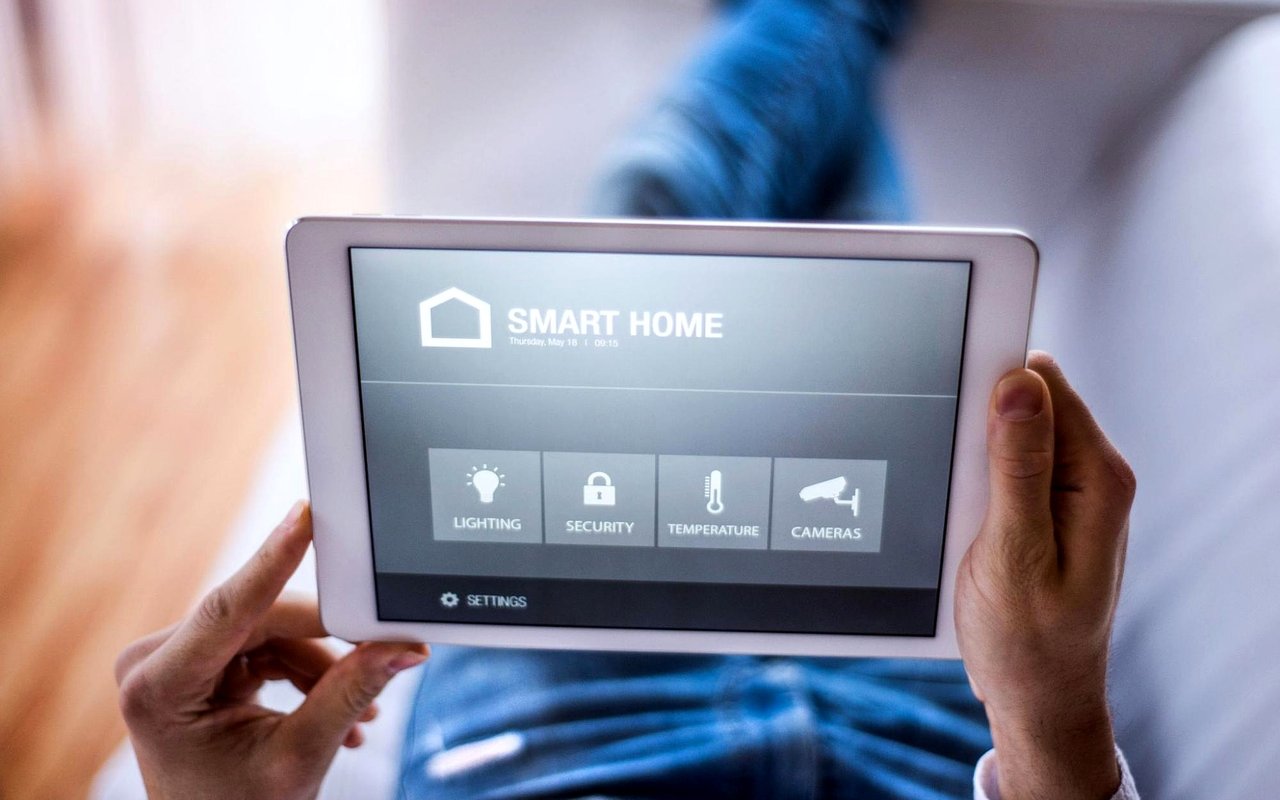
A well-designed smart home starts with centralized control. Managing multiple systems through a single interface reduces friction and improves usability.
-
Unified control through mobile apps or wall panels
-
Clear dashboards that are easy to understand
-
Fewer separate remotes or disconnected systems
In Winter Garden homes, where layouts often blend open living spaces with private rooms, centralized control helps technology feel cohesive rather than scattered. This foundation allows other features to work together smoothly.
2. Smart Climate and Energy Management
Supporting comfort while managing efficiency
Climate control is one of the most practical areas where smart technology makes a noticeable difference.
-
Programmable thermostats that adapt to routines
-
Zoning capabilities for different areas of the home
-
Insights into energy usage patterns
Homes in Central Florida benefit from systems that respond intelligently to temperature and humidity changes. These upgrades often become everyday conveniences rather than background technology.
3. Lighting That Adapts to Daily Life
Using light intentionally throughout the home
Smart lighting goes beyond turning lights on and off remotely. It supports mood, function, and energy efficiency.
-
Adjustable brightness for different times of day
-
Scene settings for daily routines
-
Automation tied to schedules or occupancy
Lighting that adapts to how a home is used feels less intrusive and more supportive. In open-concept Winter Garden homes, this flexibility helps spaces transition easily from workday to evening use.
4. Connected Entry and Access Systems
Simplifying arrivals and departures
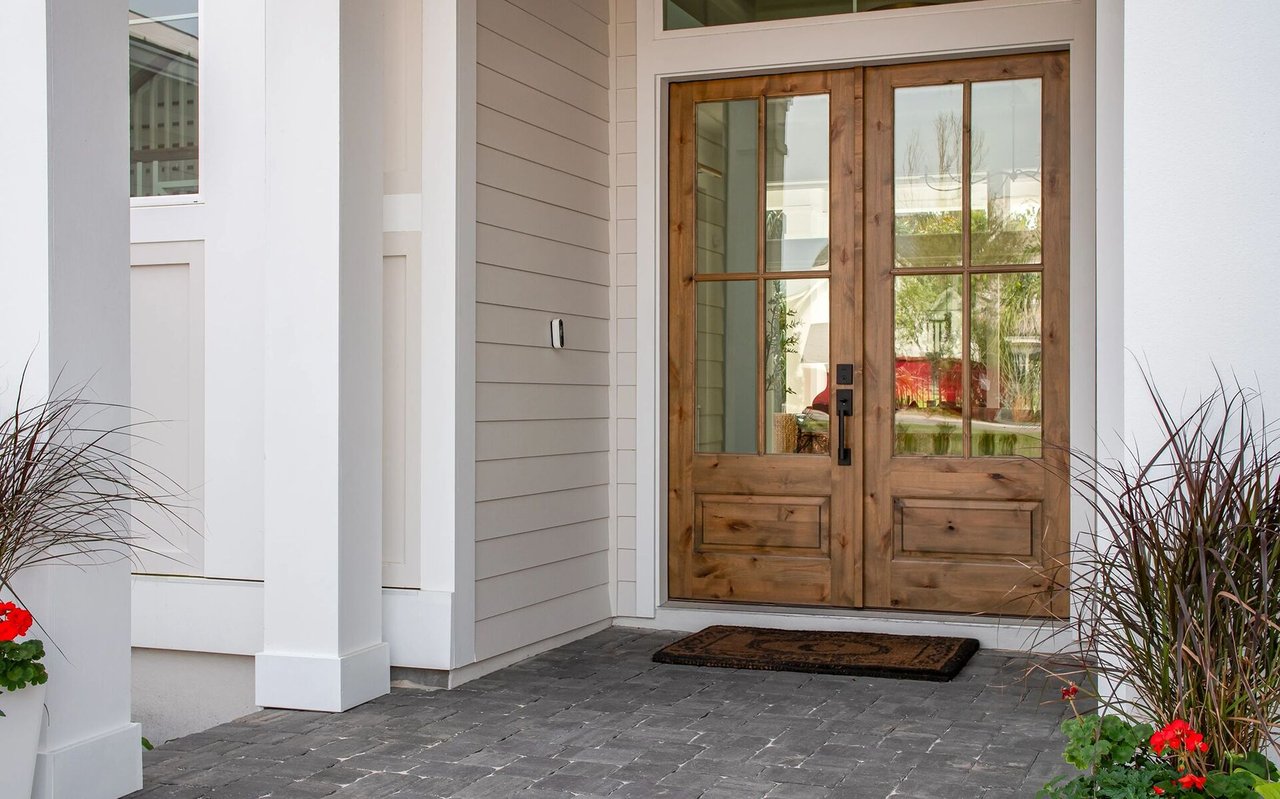
Smart access features focus on convenience and consistency rather than complexity.
These systems help homeowners manage comings and goings without juggling keys or worrying about access changes over time.
5. Integrated Monitoring and Awareness
Staying informed without constant oversight
Modern homes benefit from systems that provide information clearly and efficiently.
-
Notifications that are timely but not overwhelming
-
Visual or system status updates at a glance
-
Integration with other home features
When homeowners think about smart house features, this type of awareness often stands out as one of the most practical benefits. Information is accessible when needed without requiring constant attention.
Why Integration Matters More Than Features Alone
Avoiding disconnected systems
The most effective smart homes aren’t defined by how many features they have, but by how well those features work together.
-
Systems that communicate with each other
-
Fewer compatibility issues over time
-
Simpler updates and maintenance
In Winter Garden properties where homeowners value ease and longevity, integration helps technology remain useful rather than frustrating.
Designing for Real-Life Use
Matching technology to daily habits
Smart features should reflect how a home is actually lived in.
-
Automation that supports real schedules
-
Controls that feel intuitive to all users
-
Features that reduce steps rather than add them
This approach prevents technology from feeling excessive or underutilized.
Planning for Longevity
Choosing systems that age well
Technology evolves quickly, but thoughtful choices help features remain relevant.
-
Platforms with consistent update support
-
Flexible systems that allow expansion
-
Avoiding overly proprietary solutions
These decisions protect homeowners from frequent replacements or compatibility challenges down the line.
Smart Features and Home Appeal
Considering future flexibility
While smart upgrades are often chosen for personal use, they can also influence how a home is perceived later.
-
Clean installations that don’t clutter the space
-
Features that feel current but not trendy
-
Broad appeal across different lifestyles
Homes that incorporate smart house features thoughtfully tend to feel more modern and functional without alienating future buyers.
Avoiding Over-Automation
When less is more
Not every feature needs to be automated. Balance is key.
-
Focus on areas with daily impact
-
Skip features that complicate simple tasks
-
Prioritize reliability over novelty
Technology should support the home, not dominate it.
Adapting Features Over Time
Allowing the home to evolve
Needs change, and smart homes should adapt accordingly.
-
Adjustable settings as routines shift
-
Expandable systems for future needs
-
Easy reconfiguration without major rewiring
This flexibility helps homeowners continue benefiting from their investment as lifestyles evolve.
Winter Garden Lifestyle Considerations
Matching technology to local living
Winter Garden homes often blend indoor and outdoor living, making adaptability important.
-
Systems that manage transitions between spaces
-
Lighting and climate control that respond to use patterns
-
Features that support everyday comfort
Technology that aligns with how the home is used locally feels more natural and less forced.
Evaluating What Matters Most
Making intentional choices
Before adding smart upgrades, homeowners benefit from stepping back and evaluating priorities.
-
What routines could be simplified?
-
Where does friction show up daily?
-
Which features would actually be used?
This clarity leads to smarter decisions and better long-term satisfaction.
FAQs
Do smart features require constant maintenance?
Most modern systems update automatically and require minimal ongoing attention.
Are smart upgrades only for new homes?
No. Many features can be added to existing homes with thoughtful planning.
Can smart features be overwhelming?
They can be if overdone. Intentional selection keeps technology manageable.
Building a Smarter Home, Not a Complicated One
Smart technology works best when it feels like a natural extension of the home rather than an extra layer to manage. We help homeowners consider which upgrades truly support comfort, efficiency, and long-term livability. When selected intentionally, smart house features enhance everyday life without adding complexity.
If you’re considering how technology fits into your home now or in the future, begin a discussion with
Corcoran Premier Realty to explore options that align with how you live, how your home functions, and how you want it to support you long term in Winter Garden.