By Corcoran Premier Realty
Home age is one of those details buyers notice immediately, but its impact on value is rarely straightforward. We work with homeowners and buyers in
Windermere who are often surprised by how differently homes are evaluated depending on when they were built, how they’ve been maintained, and how they function today. A newer home isn’t automatically worth more, and an older home isn’t automatically at a disadvantage. Understanding how age interacts with condition, design, and buyer expectations brings much-needed clarity to pricing and decision-making.
Key Takeaways
-
Home age influences value differently depending on condition and design
-
Buyer perception matters just as much as the construction year
-
Updates and functionality often outweigh age alone
Why Home Age Draws Attention
What buyers are really thinking
When buyers look at a home’s age, they’re rarely focused on the year itself. Instead, they’re making assumptions about systems, layout, and long-term upkeep.
-
Expected lifespan of major systems
-
Design relevance to modern living
-
Anticipated maintenance needs
In Windermere, where buyers often compare newer communities with established neighborhoods, age becomes a starting point for evaluation rather than a final judgment.
Older Homes and Perceived Character
When age becomes an advantage
Many older homes carry features that buyers still value highly.
-
Solid construction and established layouts
-
Larger lots or mature landscaping
-
Architectural details that feel intentional
Homes built decades ago often appeal to buyers who prioritize space, privacy, or craftsmanship. In these cases, age contributes positively to market value rather than detracting from it.
Newer Homes and Modern Expectations
Why “new” doesn’t always mean “better”
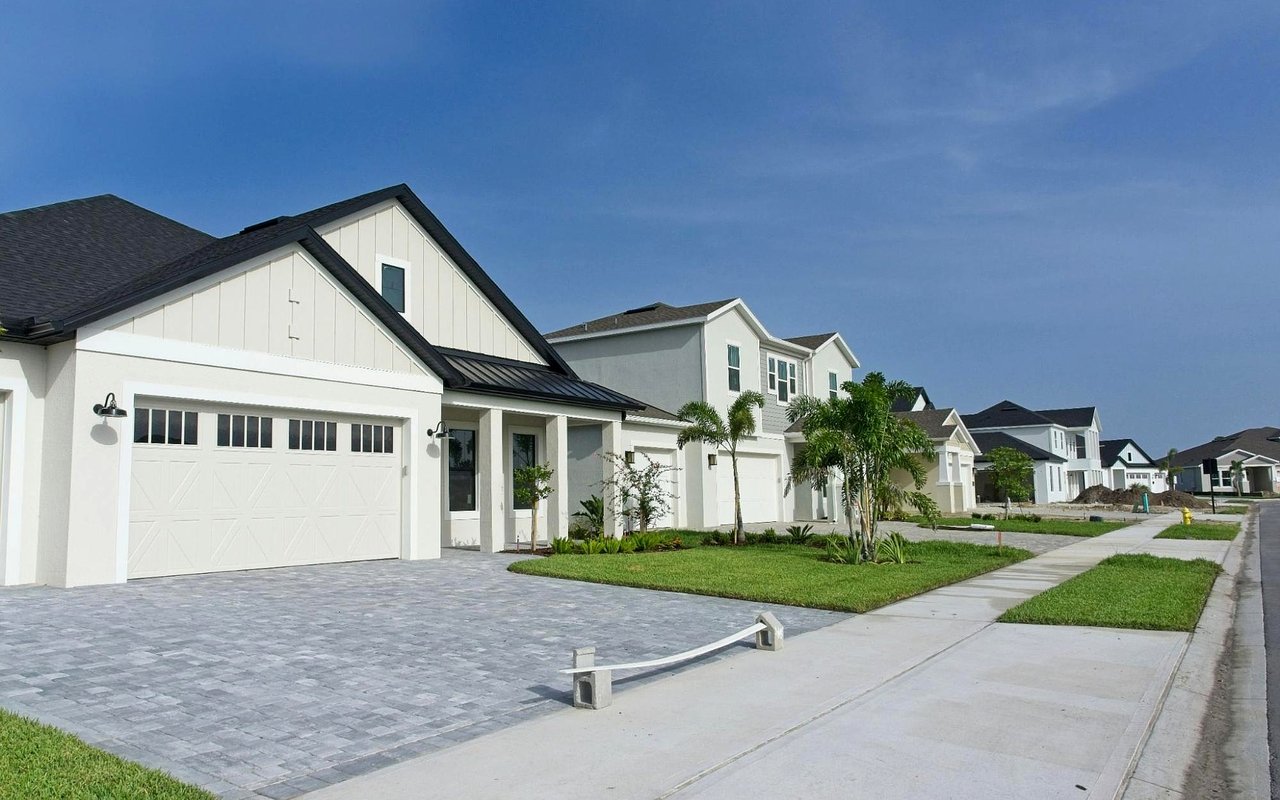
Newer construction tends to attract buyers looking for efficiency and modern design, but it also comes with trade-offs.
-
Open layouts that suit current lifestyles
-
Updated systems and energy efficiency
-
Less immediate maintenance
At the same time, newer homes may sit on smaller lots or lack the individuality some buyers want. Value depends on how well the home aligns with buyer priorities, not simply how recently it was built.
Condition Matters More Than the Calendar
Why upkeep outweighs age
A well-maintained older home often outperforms a poorly maintained newer one in buyer perception.
-
Updated roofs, HVAC, and plumbing
-
Thoughtful renovations that respect the home
-
Consistent maintenance over time
Does the age of the house affect its value? When buyers ask this question, the most accurate answer is that condition almost always carries more weight than age alone. Homes that show pride of ownership tend to inspire confidence regardless of build year.
Layout and Functionality Over Time
How design evolution influences value
Home design has changed significantly over the years, and layout plays a major role in buyer appeal.
-
Older homes may have more defined rooms
-
Newer homes often emphasize open living
-
Transitional renovations can bridge the gap
In Windermere, buyers often compare homes based on how easily they support daily life. A layout that works well today often matters more than when the home was originally built.
Renovations and Their Impact
Updating without overdoing it
Strategic updates can shift how a home’s age is perceived.
-
Kitchens and bathrooms influence first impressions
-
Flooring, lighting, and paint modernize spaces quickly
-
System upgrades reduce buyer hesitation
Renovations that improve function and flow tend to enhance value, while overly personalized updates can limit appeal. Balance is key.
Neighborhood Context Shapes Value
Why age is relative to surroundings
A home’s value is always influenced by its surroundings.
-
Established neighborhoods often support older homes well
-
Newer developments create different buyer expectations
-
Consistency within the area matters
In Windermere, homes are often evaluated in relation to nearby properties rather than in isolation. Age feels less important when the home fits naturally into its environment.
Buyer Psychology and Perception
How assumptions influence decisions
Buyers bring expectations with them, whether accurate or not.
-
Older homes may raise maintenance concerns
-
Newer homes may imply fewer surprises
-
Presentation can either reinforce or challenge assumptions
This perception is why presentation, disclosure clarity, and condition play such a large role in outcomes.
Appraisals and Market Data
How professionals evaluate age
From a valuation standpoint, age is one data point among many.
-
Comparable sales carry significant weight
-
Adjustments reflect condition and updates
-
Age alone rarely drives final value
This professional perspective reinforces why blanket assumptions about age can be misleading.
Long-Term Ownership Considerations
Thinking beyond resale
Age also influences long-term planning.
-
Maintenance timelines differ by build year
-
Update cycles vary between homes
-
Ownership experience evolves over time
Buyers who understand these factors tend to make more confident, realistic decisions.
Framing Age as Part of the Story
How sellers should think about it
For sellers, age should be contextualized, not defended.
-
Highlight updates and maintenance history
-
Emphasize functionality and livability
-
Let the condition speak louder than the construction date
When positioned correctly, age becomes part of the home’s narrative rather than a liability.
Asking the Right Question
Shifting the focus
Instead of asking whether newer is always better, a more useful question emerges: Does the age of the house affect its value? The answer depends on how age interacts with care, design, and buyer expectations in the current market.
FAQs
Do newer homes always sell for more?
No. Condition, layout, and location often matter more than build year alone.
Can older homes compete with newer construction?
Yes, especially when well-maintained and thoughtfully updated.
Should sellers worry about their home’s age?
Not if the home presents well and functions effectively for today’s buyers.
Understanding Value Beyond the Year Built
Home age is only one piece of a much larger picture. We help buyers and sellers understand how factors like condition, layout, updates, and location shape real-world value in Windermere. When evaluated thoughtfully, age becomes context rather than a conclusion, helping decisions feel informed instead of assumption-driven.
If you’re weighing how your home’s age factors into pricing, positioning, or future plans, begin a discussion with
Corcoran Premier Realty to take a clear, market-informed look at how your property fits into today’s landscape and what that means for your next move.