By Corcoran Premier Realty
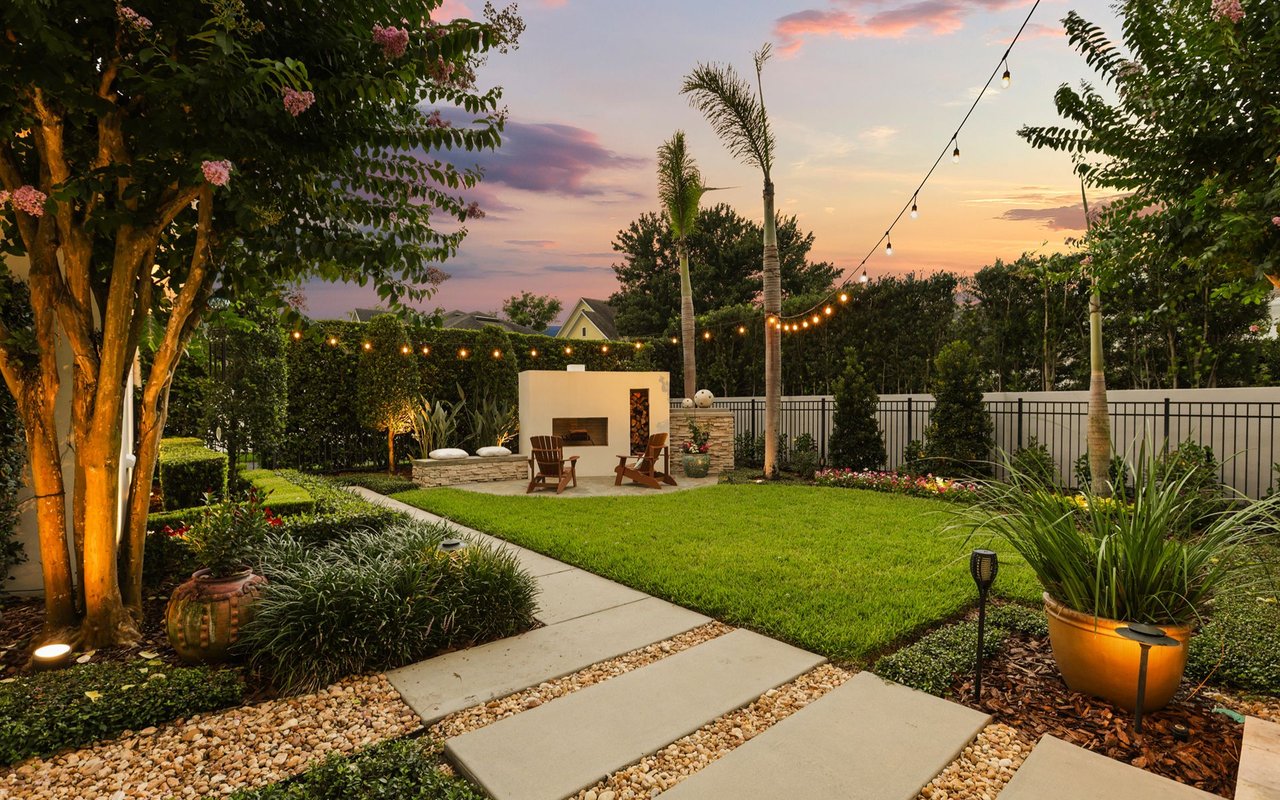
A beautiful yard is part of what makes a Winter Park home so inviting, and native Florida landscaping is one of the smartest ways to achieve it. Native plants are naturally suited to our climate, which means less water, less maintenance, and more beauty. They also connect your yard to the natural character of Central Florida in a way imported plants rarely can. As a team that knows this area well, we love seeing homeowners embrace the local landscape. Here is our guide to native Florida landscaping for Winter Park yards.
Key Takeaways
- Native Florida plants thrive in Winter Park’s climate with less effort.
- Native landscaping saves water and reduces ongoing maintenance.
- Local plants support pollinators, birds, and a healthy ecosystem.
- A thoughtful design brings year-round beauty to your yard.
Why choose native plants
Native plants have adapted to Florida’s climate over countless generations. That makes them hardier, thirsty for less water, and easier to care for than many alternatives. They are built to handle our heat, humidity, and seasonal rains without constant attention. They also help a yard feel rooted in its natural surroundings. We often encourage homeowners to start here.
The benefits of going native
Native landscaping offers a lot of advantages:
- Lower water use, since native plants are suited to our rainfall.
- Less maintenance once plants are established in the right spot.
- Natural resistance to local pests and conditions.
- Support for native birds, bees, and butterflies.
Beautiful native trees
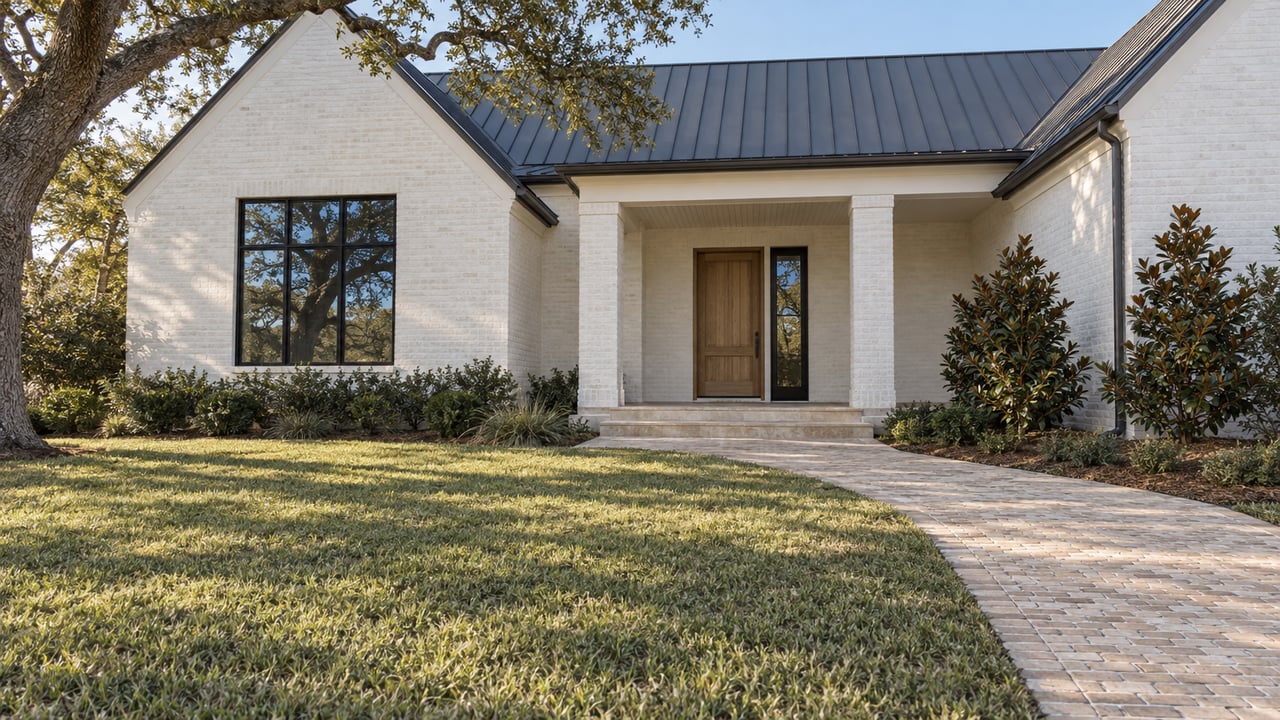
Trees form the backbone of any great landscape, and Florida offers wonderful native options. The right trees provide shade, structure, and beauty for generations. A mature native tree can also lower cooling costs and raise a home’s curb appeal at the same time. We love how they anchor a Winter Park yard and cool it through the warm months.
Native trees to consider
These are local favorites:
- The live oak, a majestic, long-lived shade tree iconic to the region.
- The Southern magnolia, prized for its glossy leaves and fragrant blooms.
- The red maple, which brings welcome color through the seasons.
- The cabbage palm, Florida’s state tree, for a classic local touch.
Shrubs and flowering plants
Native shrubs and flowers add color, texture, and life to a landscape. Many bloom beautifully while supporting local pollinators. They also fill the space between your trees and groundcover, giving a yard depth and dimension. These plants bring a yard to life and keep it interesting across the seasons.
Colorful native choices
Add beauty with these:
- Firebush, which draws butterflies and hummingbirds with its blooms.
- Beautyberry, known for its striking clusters of purple berries.
- Walter’s viburnum and Simpson’s stopper for attractive native hedges.
- Coontie, a hardy native that adds texture and greenery.
Grasses, groundcovers, and wildflowers
Beyond trees and shrubs, native grasses and wildflowers add movement and charm. They fill a landscape with color while keeping maintenance low. These softer elements catch the breeze and the light, giving a yard a relaxed, natural feel. We find they bring an effortless beauty to a Winter Park yard.
Finishing touches for the landscape
Round out your yard with these:
- Muhly grass, whose pink plumes create a stunning fall display.
- Coreopsis, Florida’s state wildflower, for cheerful native color.
- Sunshine mimosa as a low, hardy native groundcover.
- Native wildflower mixes that support pollinators and add charm.
Designing a Florida-friendly yard
Great landscaping is about more than individual plants, it is about thoughtful design. Florida-Friendly principles help you create a yard that is both beautiful and sustainable. Planning with these ideas in mind saves time, water, and money over the long run. The goal is a landscape that looks intentional and cared for while working with nature rather than against it. We encourage homeowners to keep these principles in mind from the very start.
Principles to guide your design
Keep these in mind:
- Right plant, right place, matching each plant to its ideal conditions.
- Grouping plants by their water and light needs for efficiency.
- Reducing thirsty turf in favor of native beds and groundcovers.
- Using mulch and smart irrigation to conserve water.
Frequently Asked Questions
Why should I use native plants in my Winter Park yard?
Native plants are adapted to Florida’s climate, so they need less water and maintenance while thriving naturally. They also support local birds, bees, and butterflies, which brings a yard to life and keeps the local ecosystem healthy. The result is a beautiful, sustainable yard that is easier to care for and kinder to the environment, season after season.
What are some good native plants for Winter Park landscaping?
Great choices include live oaks, Southern magnolias, firebush, beautyberry, muhly grass, and coreopsis. Each thrives in our climate and adds its own beauty throughout the year. The best mix depends on your yard’s sun, soil, and space. We are happy to point homeowners toward the right plants for their yard.
Is native landscaping lower maintenance?
Generally, yes. Once established, native plants require less water, fertilizer, and upkeep than many non-native options. They are also more forgiving during dry spells and seasonal changes. Thoughtful design and proper placement make maintenance even easier over the long run.
Let’s Find Your Winter Park Home
A beautiful, Florida-friendly yard is one of the many things that make a Winter Park home shine. Whether you are settling into a new home or refreshing your current one, native landscaping is a wonderful place to start. A well-planned yard adds comfort, curb appeal, and lasting value to any home.
When you are ready to find your home in Winter Park, we would love to help. Reach out to us at
Corcoran Premier Realty, and let’s find your place in Winter Park.