By Corcoran Premier Realty
Decorating a historic home in Orlando is a genuinely enjoyable challenge. The bones of the house are already doing a great deal of the work, and the goal is not to turn the home into a museum or strip away what makes it distinctive. It is to furnish and finish it in a way that lets the architecture speak while keeping the space comfortable and livable. Whether you own a Craftsman bungalow in Lake Eola Heights or a Mediterranean Revival in Lake Cherokee, the same principles apply.
Key Takeaways
-
Discover how to approach historic home decor in a way that complements the architecture rather than competing with it or ignoring it entirely.
-
Learn which decorating choices work best in the most common historic home styles found in Orlando, including Craftsman and Mediterranean Revival.
-
Find out how to blend original features with contemporary comfort without compromising the character that makes these homes valuable.
-
Understand how thoughtful decorating strengthens both the livability and the long-term market appeal of a historic Orlando property.
Start With the Architecture
The most important principle in decorating a historic home is to let the architecture set the direction before introducing any furnishings or finishes. A Craftsman bungalow in Lake Eola Heights already has a strong visual language: natural wood tones, tapered columns, built-in cabinetry, and a horizontal emphasis. A Mediterranean Revival in Lake Cherokee speaks in arches, stucco, warm tile, and wrought iron. Imposing a style that works against these signals creates a home that feels confused rather than curated.
How to Read Your Home's Architecture Before Making Decorating Decisions
-
Identify the materials already doing the most work. In a Craftsman it is the wood tones in the trim, floors, and built-ins. In a Mediterranean Revival it is the tile, stucco, and ironwork. These are the anchors everything else should relate to.
-
Look at the proportions of the rooms before selecting furniture. Craftsman bungalows have lower ceilings and cozier rooms that suit appropriately scaled pieces. Mediterranean Revival homes often have taller ceilings that can handle larger, more substantial furniture.
-
Pay attention to the quality of light in each room. Historic homes have smaller, more directional windows than contemporary construction, and finishes that respond to how the light actually falls will feel more natural than those chosen under showroom conditions.
-
Preserve what is original before adding anything new. Original wood floors, plaster walls, brick fireplaces, and built-in shelving are the features buyers and residents value most, and they deserve to be the focal point rather than a backdrop.
Getting the foundation right before making any purchases saves time and money. A home that reads architecturally coherent before furnishings arrive is far easier to decorate well.
Furniture and Finishes That Complement Historic Styles
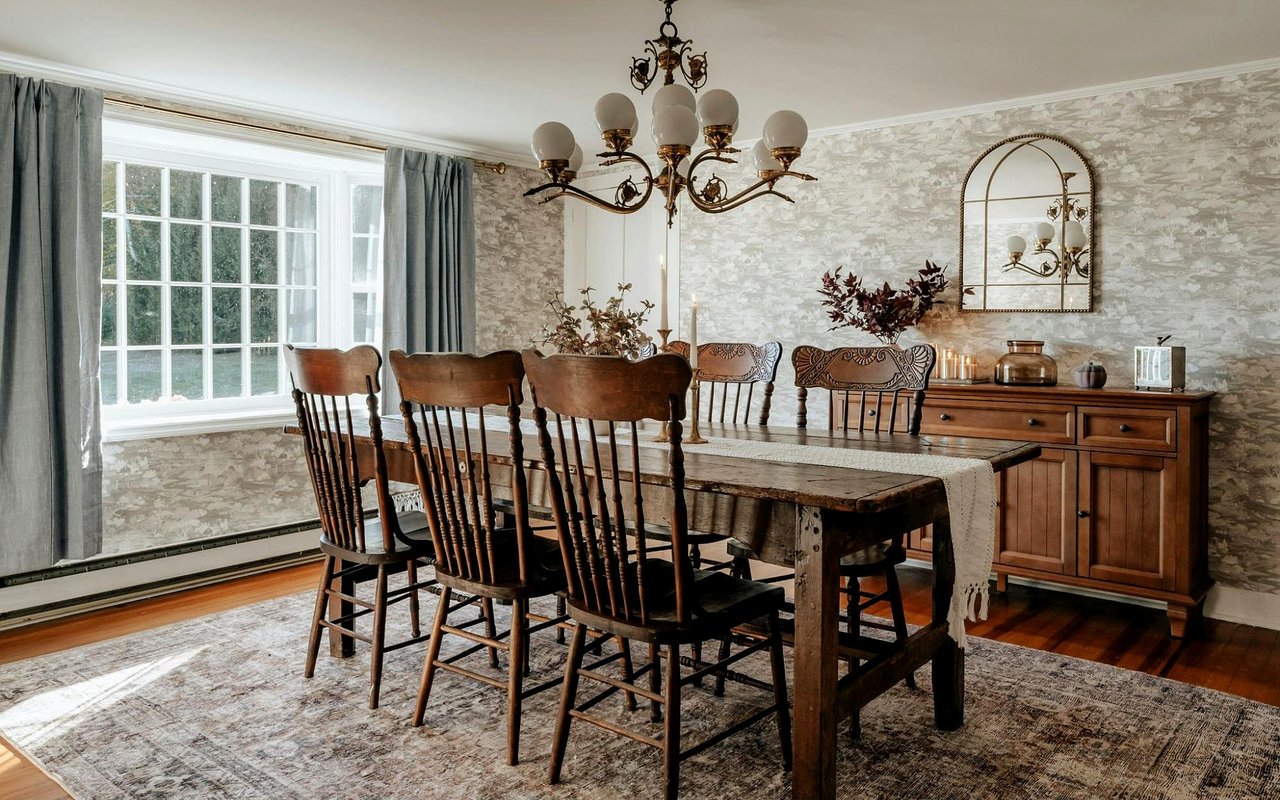
Furniture and finish selection should reinforce the character of the architecture rather than introduce a competing aesthetic. This does not mean every piece needs to be antique or period-correct, and it does not mean the home cannot feel current. It means the materials, proportions, and details of what you bring in should feel consistent with what is already there.
Practical Guidance on Selecting Furniture and Finishes for Orlando Historic Homes
-
Natural materials including wood, linen, cotton, leather, and stone read authentically in historic homes in a way that highly synthetic or industrial materials typically do not, and they are one of the most reliable ways to maintain visual consistency with the original character.
-
Warm, earthy color palettes work well in both Craftsman and Mediterranean Revival homes because they reflect the tones already present in the architecture. Cooler palettes can work but require more careful handling to avoid clashing with wood tones, tile, and stucco.
-
Antique and vintage pieces do not need to match the period of the home exactly to read well. A well-made piece from a different decade can feel entirely at home alongside original architectural details when it shares the same material sensibility and scale.
-
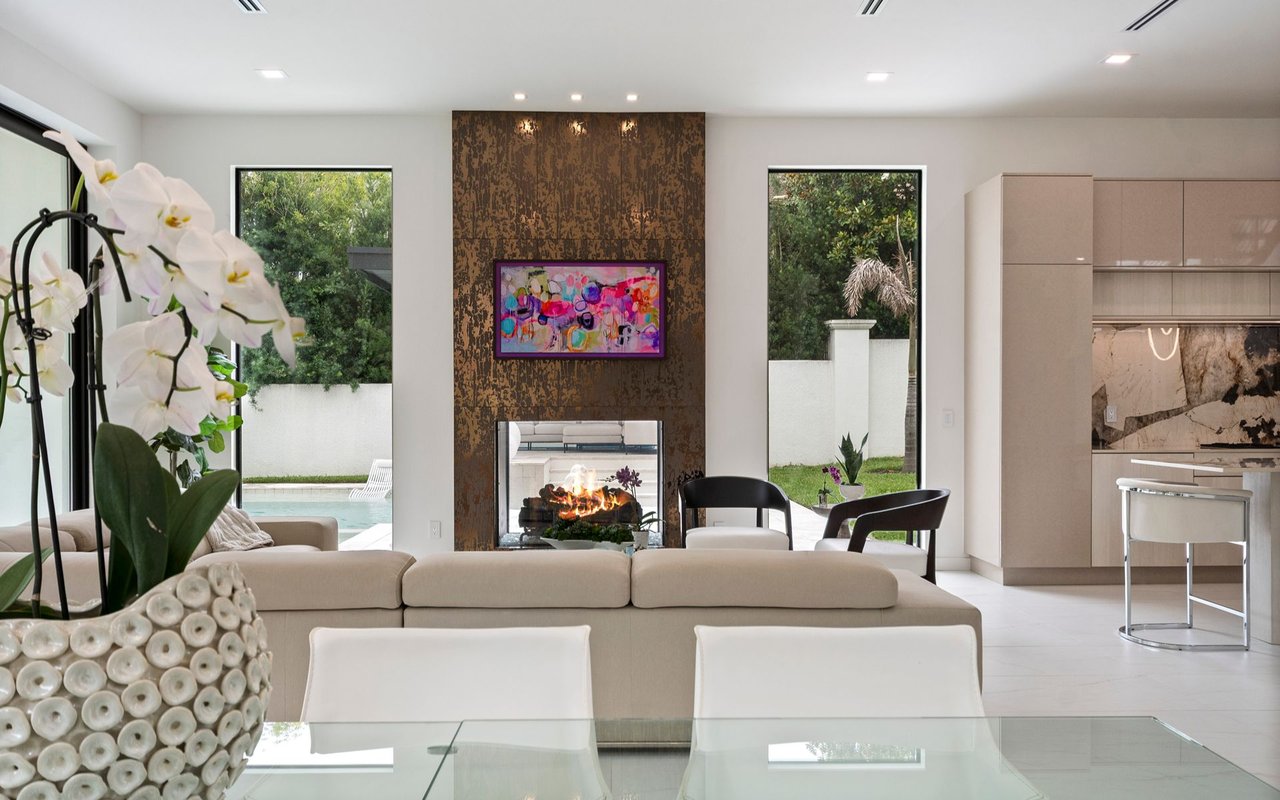
Contemporary pieces can work in historic homes when selected thoughtfully. A clean-lined sofa in a natural fabric alongside original hardwood floors and built-in cabinetry can feel balanced rather than incongruous when the palette is restrained.
The goal is a home that feels coherent and livable. Mixing what you love with what the architecture already offers, using material and tonal consistency as the organizing principle, produces the most satisfying results.
Updating Without Erasing
One of the most common concerns among historic homeowners is how to introduce updated systems and conveniences without undermining the character they purchased. The answer is not to avoid updates but to make them thoughtfully, with attention to what is visible and what can be integrated invisibly.
How to Update a Historic Home Without Compromising Its Character
-
Kitchen and bathroom updates work best when they use materials consistent with the era. Honed marble or soapstone countertops, subway tile, and unlacquered brass or oil-rubbed bronze hardware read well in Craftsman and Mediterranean Revival interiors without requiring an exact period match.
-
Lighting is one of the most impactful visible updates available. Replacing dated fixtures with period-inspired pendants, sconces, and ceiling fixtures dramatically improves the atmosphere of a room without touching a single original element.
-
Window treatments should complement the window proportions rather than overwhelm them. Simple linen panels, wooden blinds, and Roman shades tend to work better than heavy drapery in rooms where the windows are already architecturally significant.
-
Modern conveniences including updated electrical, HVAC, and plumbing can all be integrated in ways that are entirely invisible to the finished interior. Prioritizing these behind-the-wall updates before visible decorating keeps character intact while bringing the home into genuine comfort.
A historic home updated with care consistently outperforms one that has been over-renovated or left untouched, both in livability and in market appeal.
Frequently Asked Questions
How do I choose paint colors for a historic home in Orlando?
Period-appropriate palettes from manufacturers like Farrow and Ball, Benjamin Moore's Historical Collection, and Sherwin-Williams' Preservation Palette are designed to complement historic architectural styles. Warm greens, taupes, and earthy reds work well in Craftsman homes. Warm whites, terracottas, and ochres reflect the original Mediterranean Revival aesthetic.
Can I add modern appliances and fixtures to a historic home without affecting its value?
Yes, and doing so typically improves both livability and market appeal. Panel-ready appliances, concealed mechanical systems, and period-consistent fixture choices allow the home to function at a modern standard without compromising the visual character buyers are paying for.
Do Orlando's historic preservation guidelines affect interior decorating?
No. Orlando's historic preservation overlay guidelines apply to exterior alterations, not interior design. Interior updates, paint colors, furnishings, and finish selections are entirely at the homeowner's discretion. The guidelines become relevant only when making changes to the exterior appearance or materials of the structure.
Reach Out to Corcoran Premier Realty Today
Orlando's historic neighborhoods attract buyers who understand the value of what these homes offer, and decorating them well is part of protecting that investment over time. We work with buyers and sellers throughout Lake Eola Heights, Lake Cherokee, College Park, and the city's other historic neighborhoods.
When you are ready to
buy a historic home in Orlando, reach out to
Corcoran Premier Realty, and we will help you find the right property and make the most of what it offers.